Tucked between North Park and South Park, Burlingame is one of San Diego’s most visually captivating neighborhoods. Nearly every block features charming front porches, decorative rooflines, handcrafted woodwork, and lush landscaping that enhances the historic atmosphere.
Tree-lined streets, terraced lots, and beautifully preserved homes give the area a sense of character that feels increasingly rare in modern developments. Visitors encounter an eclectic mix of early 20th-century architecture that tells the story of San Diego’s residential growth during the 1910s and 1920s.
Walking through the area feels like stepping into a living architectural gallery where each home contributes to a carefully preserved neighborhood identity. Today, buyers continue to be drawn to this distinctive enclave not only for its charm but also for its strong sense of community and long-term investment potential.
For homebuyers who appreciate craftsmanship and character, Burlingame offers something that newer neighborhoods often lack: authenticity. These properties aren’t replicas of historic styles—they are the originals.
That enduring appeal is exactly why architecture enthusiasts and buyers alike remain fascinated by Burlingame Gate historic homes.
What Defines the San Diego Historic Architecture in Burlingame?
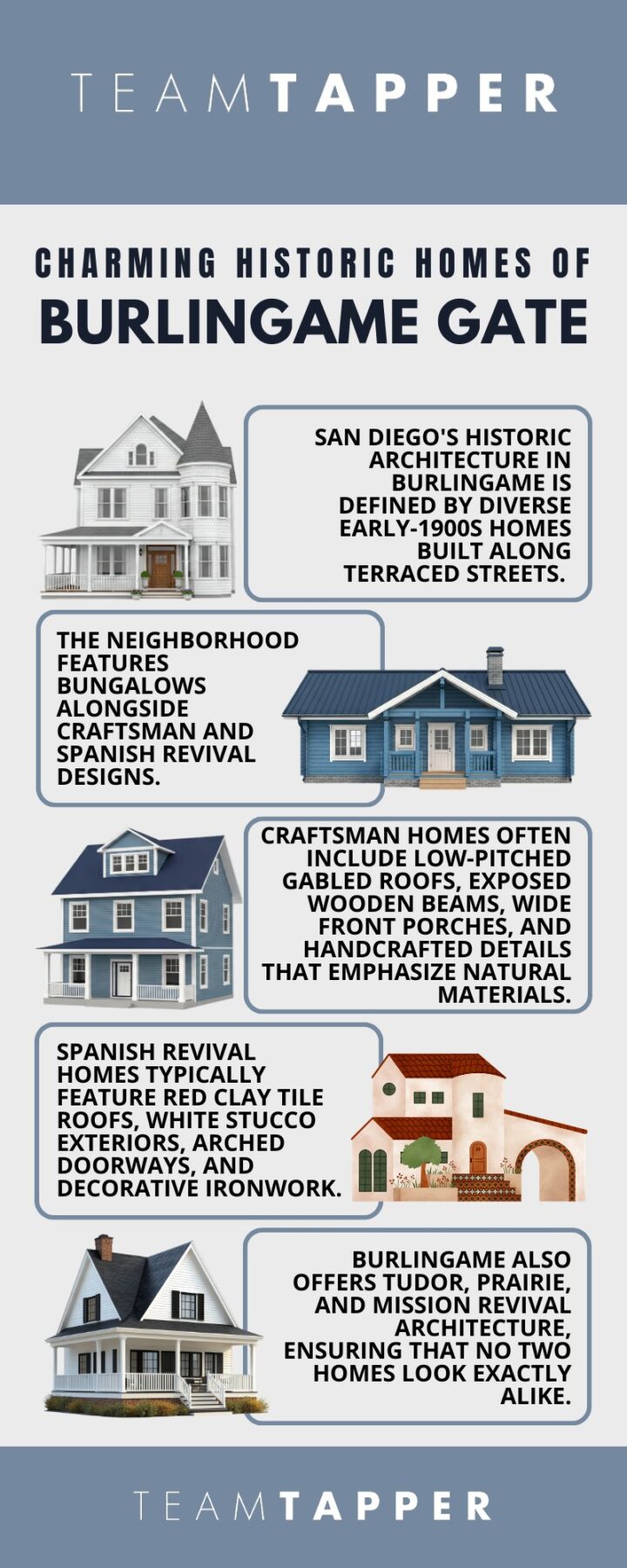
San Diego’s historic architecture in Burlingame is defined by diverse early-1900s homes built along terraced streets. The neighborhood features preserved California bungalows alongside Craftsman and Spanish Revival designs.
Together, these architectural styles create a cohesive, picturesque streetscape that highlights the craftsmanship and character rarely found in modern developments.
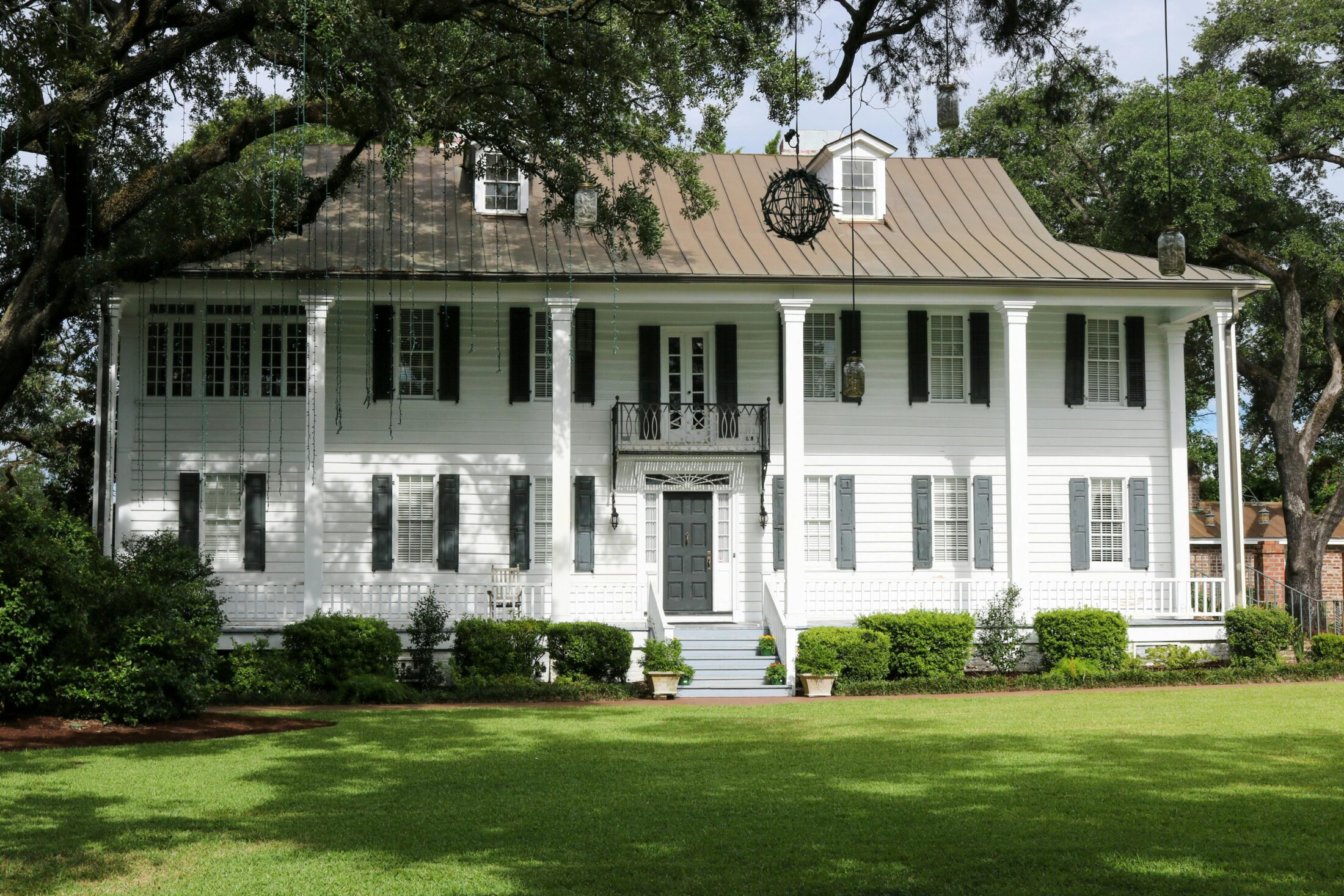
Exploring Craftsman and Spanish Revival Styles
The neighborhood was first developed in 1912 and quickly became known for its distinctive design standards and architectural creativity. Builders embraced multiple architectural influences that were popular in California at the time, resulting in a cohesive yet varied streetscape.
For many homeowners, purchasing here means becoming a steward of local history while enjoying a highly desirable central San Diego location.
Architectural Variety
One of Burlingame’s most remarkable qualities is its architectural diversity. While the neighborhood is widely recognized for its classic California bungalows, the variety goes far beyond a single style.
The area showcases some of the finest examples of Craftsman and Spanish Revival styles in San Diego, each bringing its own unique design features.
Craftsman homes often include low-pitched gabled roofs, exposed wooden beams, wide front porches, and handcrafted details that emphasize natural materials. These homes were designed with functionality and artistry in mind, highlighting woodwork, built-in cabinetry, and thoughtful floor plans.
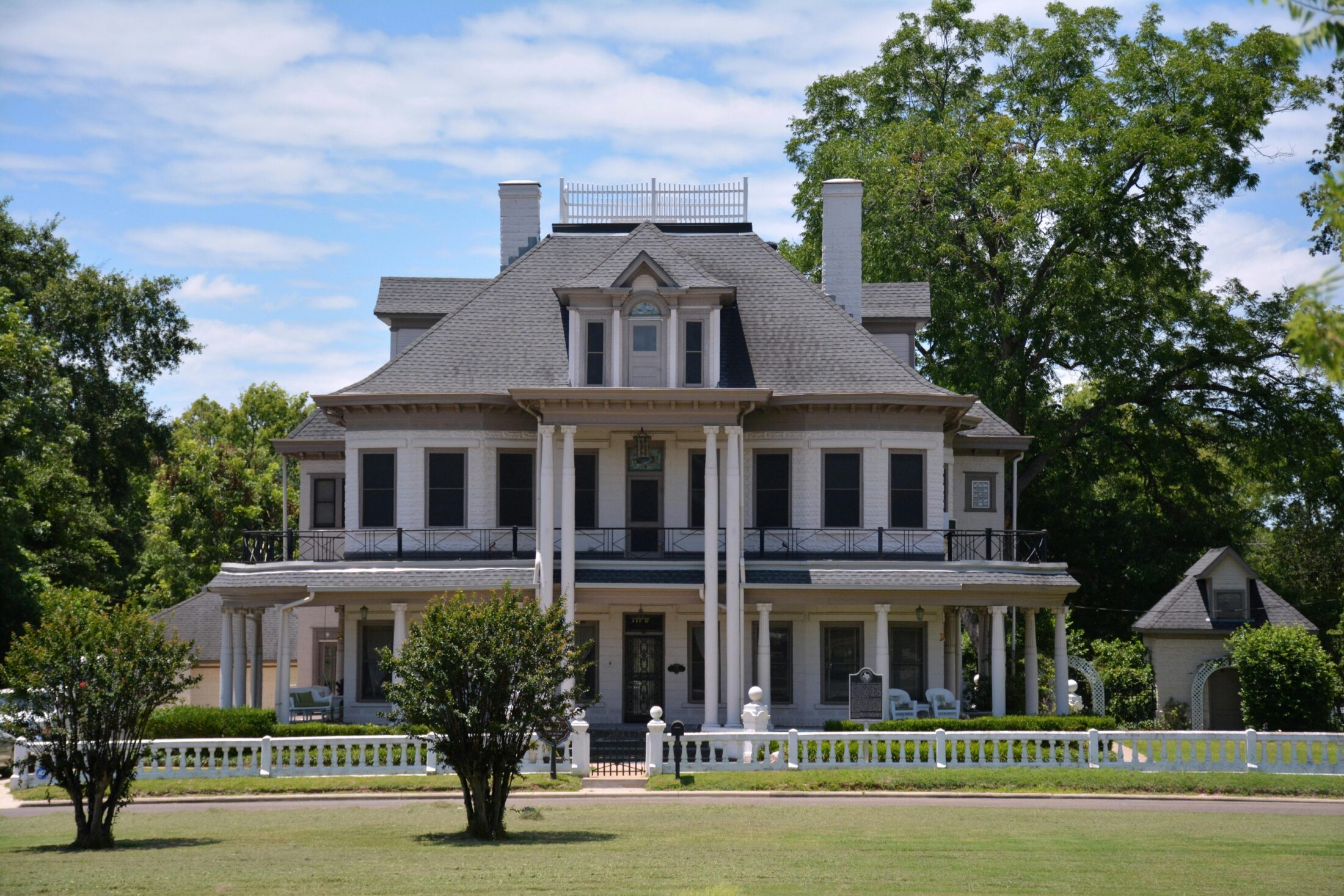
Spanish Revival homes, on the other hand, bring Mediterranean influences to the neighborhood. They typically feature red clay tile roofs, white stucco exteriors, arched doorways, and decorative ironwork. These homes reflect California’s Spanish heritage while maintaining a timeless elegance.
Beyond these two prominent styles, Burlingame also contains examples of Tudor, Prairie, and Mission Revival architecture. This architectural range ensures that no two homes look exactly alike. Instead of repetition, the streetscape offers an engaging blend of design elements that make the neighborhood feel vibrant and historically authentic.
Preservation Efforts
Maintaining the historic charm of Burlingame requires thoughtful oversight. The neighborhood benefits from preservation guidelines that help protect the original character of its homes. These standards discourage inappropriate exterior alterations that could compromise the historic appearance of the district.
For homeowners, this means renovations and upgrades typically undergo review to ensure they align with the home’s architectural style. While these rules may require additional planning, they ultimately help maintain property values and protect the integrity of the neighborhood.
Preservation standards also prevent the type of drastic modern redesigns that can disrupt historic communities. By maintaining consistency across the district, Burlingame continues to showcase some of the most distinctive San Diego historic architecture still intact today.
The Signature Burlingame Historic District Rose Sidewalks
A Pink Pathway
Perhaps the most memorable feature of the neighborhood isn’t a house at all—it’s the sidewalks.
The Burlingame historic district rose sidewalks are a defining characteristic of the area. These sidewalks were intentionally tinted a soft pink hue during the neighborhood’s development in 1912. The purpose was surprisingly practical: the color helped reduce glare from the bright California sun.
Over time, these pink sidewalks became a charming visual trademark of the district. They add a subtle warmth to the streetscape and reinforce the area’s early 20th-century identity.
Community Identity
Today, the rose-colored sidewalks serve as a symbolic boundary for the historic district. Residents often say that once visitors step onto the pink pathways, they immediately realize they’ve entered a special place.
Beyond aesthetics, the sidewalks foster a sense of pride among homeowners. They represent the neighborhood’s commitment to preservation and community heritage. Many residents actively support restoration efforts to ensure the sidewalks remain intact for future generations.
In a city filled with modern development, these sidewalks provide a tangible connection to Burlingame’s past.

Understanding Mills Act Property Tax Savings
Financial Incentives
Owning a historic home in California often comes with a significant financial benefit through the Mills Act property tax savings program. The Mills Act allows owners of designated historic properties to enter into an agreement with their local government.
Under this program, homeowners commit to maintaining and preserving the historic exterior of their property. In exchange, they receive a substantial reduction in property taxes.
For many Burlingame homeowners, this tax incentive can significantly lower annual housing costs. In some cases, property tax bills may be reduced by thousands of dollars per year.
Investment Strategy
Historic homes naturally require more maintenance than newer construction. Roofs, foundations, and original materials may need specialized care to maintain authenticity.
However, the Mills Act tax reduction often offsets these expenses.
For buyers interested in historic properties, this program can make ownership far more financially feasible.
Additionally, preservation programs tend to stabilize neighborhood values over time. Since major exterior changes are limited, the overall aesthetic consistency of the community remains intact.
This stability can be particularly attractive to long-term investors and homeowners who value both history and financial strategy.
Historic Home Buying Considerations
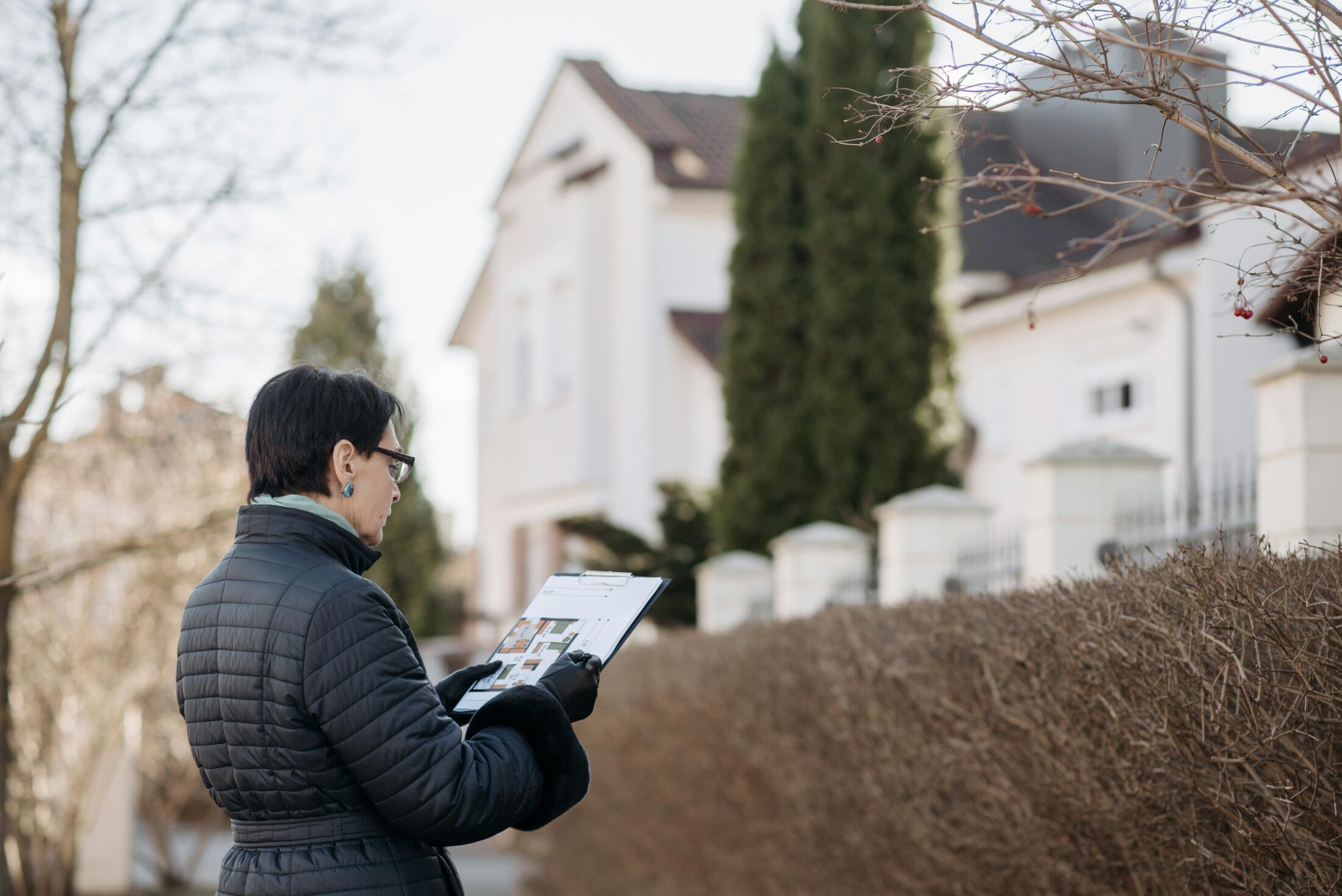
When purchasing a property in Burlingame, buyers should understand how historic homes differ from standard modern construction.
| Consideration | Standard Modern Home | Historic Burlingame Home |
|---|---|---|
| Architectural Style | Uniform / Tract | Craftsman and Spanish Revival styles |
| Exterior Changes | General HOA Rules | Strict Historical Review Board |
| Property Taxes | Standard Rate | Potential Mills Act property tax savings |
| Streetscape | Standard Concrete | Burlingame historic district rose sidewalks |
Understanding these distinctions helps buyers prepare for the responsibilities—and benefits—of owning a historic property.
Key Takeaway
Investing in Burlingame Gate historic homes is about far more than acquiring real estate.
It’s about becoming part of a living piece of San Diego’s architectural heritage. With beautifully preserved San Diego historic architecture, distinctive neighborhood features, and the potential for meaningful Mills Act property tax savings, Burlingame offers a lifestyle that blends culture, character, and long-term value.
For buyers who appreciate craftsmanship, history, and community identity, few neighborhoods offer the same level of charm and significance.
If you’re interested in learning more about Burlingame’s historic homes or want guidance navigating the unique buying process in this neighborhood, working with an experienced local real estate professional can make all the difference.
From understanding preservation guidelines to exploring Mills Act opportunities, expert insight helps buyers make confident decisions.
To discuss available properties or schedule a consultation, call (650) 629-9898 or email teamtapper@gmail.com to start exploring Burlingame’s historic real estate opportunities today.
Frequently Asked Questions
No. Only properties that are officially designated as historic and approved for a Mills Act contract qualify for the tax reduction program.
In many cases, yes. However, additions typically require review and approval to ensure they do not alter the historic character of the property.
Many Craftsman homes in the area range from approximately 1,200 to 2,500 square feet, though sizes vary depending on the original design and later expansions.
Historic districts often maintain recommended color palettes that align with the home’s architectural style. Approval is generally straightforward when colors match historically appropriate guidelines.
In most cases, sidewalk maintenance responsibilities are shared between property owners and municipal authorities depending on the specific repair or restoration work.
Yes. Its central location between North Park and South Park makes it easy for residents to walk to nearby cafés, restaurants, and local businesses.
Buyers should pay close attention to foundation stability, electrical systems, plumbing updates, roof condition, and potential termite damage, which are common considerations in homes of this age.